
Why Can’t I Meditate?

Introduction Meditation invites you to relax to prepare for full body calmness and balance. Having the desire to meditate is the first step, but preparing to meditate is the next step that many of us struggle with. As many of us lead such busy and stressful lives, it can be easy for us to forget how to pause or slow down. When we do pause we often fill our free time with social media, or spend time staring at screens for a sense of escapism. However, meditation enables us to focus on our breathing and briefly forget about daily stresses and distractions. In this blog, we will address the reasons why people struggle to meditate and aim to provide helpful solutions to help you enjoy and get the most out of your meditation practice! Have you ever wondered why you can’t meditate? Struggling to quiet the mind Often people will say that they cannot quiet their minds, that they have all these racing thoughts which seem never-ending. Some people don’t have the ability to switch off and they dwell on thoughts and which creates more anxiety. But when we say we are ‘overthinking’, what does this really mean? In our brain, we have a network of neurons that is called the reticular activating system (RAS) which controls our behaviour. RAS allows you to focus on what you value by firing motivation and to identify threats by filtering out what else is not important. Its main purpose is to keep us alive and safe. If you have experienced a lot of fear, worry and stress in your life, it is common to find it challenging to stop overthinking – your brain is guarding you. It can be helpful to look at the flipside – calmness, peace and restfulness. These feelings may feel unfamiliar if you are used to living in fear mode but be assured they are all within reach and live within you. A great way to start tapping into these feelings is with mantra meditation which can boost love and compassion for both yourself and the world. You could also try a noting meditation where you label each thought you have with the word “thinking” – this can help bring you back to the present moment. Being kind to your wandering mind by focusing on your breathing automatically restores your attention and rebalances your focus. RAS will only reinforce what you think and what is in your subconscious mind. So, when you think you can’t meditate, everything that you do will prove to you the fact that you cannot meditate. Your brain doesn’t know what is good or bad for you, it will only follow the thoughts and beliefs you prioritise and reinforce. Therefore, when you become aware of how the thought process works you know that you can do anything which can include meditation. If you think you can’t meditate because you can’t stop your racing thoughts, although you can notice and become aware of your thoughts, you don’t have to take them so seriously. A great way to distance yourself from the thought is instead of saying “I am never going to be able to meditate”, and use labelling to replace that thought with “I am having the thought that … I’m never going to be able to meditate”. Change your relationship with your thoughts so they don’t affect you so much. Vagus nerve stimulation to bring yourself into a more relaxed state. Humming, taking a warm bath for relaxing, (ice cold for waking up), giving yourself a foot, hands neck, shoulders or ear massage, belly breathing (your belly is rising), listening to or receiving ASMR. Distractions Living in the digital revolution, turning off our devices to focus fully on our bodies can be challenging. Firstly, it is optimal to put your phone on silent or do not disturb to help ward off the temptation to check it. In order to ignore digital distractions when meditating it is important to acknowledge a thought and then let it go (e.g I need to check my phone). A method that I recommend is sitting down in the lotus position (half or full), then focusing and acknowledging each sense, one sense at a time. Then once you have thought about each sense forget about them and focus entirely on your breathing patterns. Zen masters believe that the 6-6-6 rule works most effectively when breathing during meditation. This means breathing in through your nose for six seconds, holding your breath for six seconds and breathing out of your mouth for six seconds. Repeating this will help you relax and reduce stress, they recommend doing this for 10 minutes to ensure improved vagal tone, Co2 tolerance and a balanced nervous system. Faulty Assumptions of Central Objective Whether you’re a beginner, intermediate or advanced at meditation, we can all struggle to find the main objective behind meditation practice. But the answer varies depending on you. Some people aim to enlighten the spiritual inner creativity and joy in themselves whereas others may meditate for escapism or peace. Meditation originated in India and is performed in many religions however you do not have to be religious to meditate! Meditation is about focusing on mindfulness, being emotionally calm and most importantly being able to feel stable in yourself whether this refers to the mind, body or soul. Space Finding suitable space for mediation refers to mental and physical space. In terms of mental state, as mentioned above, turning off any digital distractions such as a buzzing phone or a TV will do you a favour and help you to focus and be calm. Focusing on the present and your present self will help you find mental space as this is the most important thing in this moment. Regarding physical space, find a surface that is flat whether this is a bed, sofa or yoga mat on the floor, ensure it
What are the benefits of Omega-3?

What is Omega 3? Omega-3s are key nutrients that we can get from either food or supplements that can help us to build and maintain a healthy body. The Omega-3 fatty acids are comprised of a family of polyunsaturated fats associated with several health benefits. They are extremely necessary for our bodies to stay healthy, but here’s the catch – our bodies can’t actually make them! We have to get them through food or supplements. They are most commonly found in fish, particularly tuna, sardines and salmon but they can also be found in forms of algae and krill, as well as some nut oils and even plants. What does Omega 3 do? Omega-3s play such a key role as they make up the important parts of the cell membranes in our body, helping our organs and immune system to function normally. Omega 3 and Genes Maintaining and improving our health has been an interest for millennia and so understanding the primary constitution of humans – through studying our genetics has allowed us to evolve, learn and develop healthier habits. Genetics can be affected by our environment and fluctuations in our diet and lifestyle can potentially lead to the body getting sick. As we have evolved, our diets have changed hugely – and so have our genes. Previously our diet was much lower in saturated fats and well proportioned in the essential fatty acids, plus the intake of trans-fatty acids which occur naturally on 1-2% of energy(kcal) was minimal. Fats & Omega 3 For a diet of 2,000 – kcal a day, a favourable proportion of omega 3 is 2.2g to 4.4g. DHA and EPA are the two most important fatty acids in maintaining an optimal function from the very incipient stage of our life. Fats, or lipids, play an important role in overall health since it represents an essential food for the brain and cognitive function, our vision, support our cardiovascular health and promote weight balance. The brain and the retina have a particularly high concentration of DHA and so it explains why this fatty acid is an important anti-inflammatory and inflammation-resolving mediator. The interesting part about fat is that while the fat in foods such as bacon, cheese, milk, olive oil, and coconut oil can be produced by our body, the fatty acids found in omega 3 and omega 6 are far more challenging to be synthesised. As humans, we need to hold a specific gene that helps us convert ALA (alpha-linolenic acid) found in seeds such as chia seeds, flaxseeds, flaxseeds oil, hemp seeds oil and walnuts into DHA and EPA. What Omega 3 Ratio do I need? The ratio of omega 6 to omega 3 that you have in your body is more important than the quantity. This is due to the fact that Omega-3 fatty acids help to reduce inflammation, while most omega-6 fatty acids actually promote it. For example, a western diet (particularly one made of heavily processed foods) typically contains up to 14-25 times more omega-6 than omega-3 – this has been heavily associated with inflammation which can lead to numerous health concerns. Whereas when we look at a diet, typically composed of fresh fruit and veg, grains, olive oil and small amounts of wine consumption – the ratio is far more of a healthy balance! In fact, many studies have shown that people who follow a balanced diet are at a lower risk of developing heart disease. When it comes to managing your own personal diet, aim for the ratio of omega 6 to omega 3 to be at 2:1. This ratio can be tested with a simple test kit. If this is something you are interested in exploring more, the next step would be to have a genome test to find out if you have the D6D gene that gives you the enzyme that synthesises ALA into EPA and DHA. Once we know from a genetic point of view and are aware of the ratio we currently have, we can establish if we need to, and how we can bring the ratio down to a more optimal value. If we don’t have that gene or you are vegan or don’t eat fish products, you may find getting your ratios to the right amount more challenging. However, no need to fret as vegan supplements that contain DHA and EPA can help you to achieve this through a chemical process. The Science behind Omega 3 Omega 3 contains 4 fatty acids in total: EPA (eicosapentaenoic acid) DHA (docosahexaenoic acid) ALA(alpha-linolenic acid) found in algae and seeds DPA (docosapentaenoic acid) Fish have the enzyme to transform ALA found in marine algae and plankton into EPA and DHA. This then results in the high quantity of these latter two fatty acids. Some of the best Omega 3 supplement brands use only the head of the fish for wet pressing and centrifugation to obtain a more pure final product. Although lake fish are not as high in fatty acids, they are a great source of protein and low fat. Why is Omega 3 so important? Omega 3s nurture us from the inside out, help and protect our cells from oxidation, support a normal brain and heart function, and overall the immune system for both the short and long term. EPA and DHA found in Omega 3s are important for our body in order to develop and function optimally from the foetus stage. Because nature is designed for babies to be looked after as the priority while in the womb, many pregnant women become deficient in Omega 3 DHA and EPA. Omega-3 fatty acids are highly concentrated in the brain and are crucial for cognitive (brain memory and performance) and behaviour function. Babies who lack in omega-3 fatty acids from their mother’s pregnancy can even be put at risk of developing nerve
Positive affirmations – how they work & how to use them

Positive affirmations and their potential power and benefits are something that is heavily debated, especially as we shift towards a more wellness-focused, spiritually inclined society. In a post-pandemic world, COVID-19 shone a light on self-development, growth and healing from the collective trauma that the pandemic caused for many. Needless to mention, we are designed to survive and therefore negativity can creep into the picture more often. Many of us live and become stuck in survival mode, meaning our thoughts and the internal world can become a difficult place to live in. Developing a mindset towards encouragement and support for yourself and others will develop self-confidence. Changing how you talk to yourself can be truly game-changing! So how do positive affirmations work and how can you tap into their power? In this blog, we unpick how they work, and how you can weave them into your life and reap their benefits. Defining positive affirmations Positive affirmations are simply positive phrases or statements used to challenge negative or unhelpful thoughts. Practising them is easy – simply pick out a phrase that resonates with you and repeat it to yourself. There are numerous reasons and affirmations – you can affirm anything positive you want to bring into your life. If you find yourself caught in a negative cycle of unhelpful thoughts, affirmations can help with these patterns when practised frequently. Affirmations are the seed to start cultivating thoughts for the higher good. There are a multitude of options out there from apps to books or calendars that can be used to help us with affirmations, but they can be done completely alone or with a simple pen and paper! Affirmations are encouraging statements and positive words that help you achieve a mindset directed towards your goals or desired outcome. Once the affirmations are oriented towards the higher good, they begin to work. The difference between something being positive and something being negative can simply be explained by how it feels in your body and whether it gives you the outcome you want. If it doesn’t feel good in the body and you don’t get the result you want then you might want to look into it a bit deeper. Affirmations are a great way to start changing the inner dialogue, followed by consistent and confident action. The feeling of being empowered from the inside, well supported by a structure and a great values system, affirmations can literally change your life. By changing the thoughts that don’t honour you with thoughts that establish new, more positive patterns you can start changing the world around you. You will consciously start to create from a place of peace, confidence, kindness and abundance. The more one complains the less one will have and the more grateful one is, the richer one will feel. How do they work? Positive affirmations need to be practised regularly to be effective. Think of it like brushing your teeth – brushing them once here and there won’t keep them clean, but a daily habit is what makes it effective! So how do affirmations actually work? By understanding neuroplasticity, or rather the brain’s ability to change and adapt we can gain an understanding of how affirmations work. The brain can sometimes get confused about the difference between reality and imagination – which can work to our benefit! For example, picture yourself doing an activity that scares you (like bungee jumping) – when we think of an activity like this, it activates many of the areas in the brain as it would if you actually did it! So, looping back again to affirmations, by practising regular affirmations, you encourage your brain to take these positive affirmations as a practice. Having the belief you can truly do something makes it far easier for your actions to follow. Self-affirmations theory One of the core psychological theories behind positive affirmations is the self-affirmations theory (Steele, 1988). This theory centres around three key ideas: 1) Self-affirmation is a global narrative about ourselves. This narrative means we are flexible and adaptable to different circumstances acting in a moral way. This creates our self-identity. 2) Our self-identity, which we are constantly seeking to maintain, is not the same as having an inflexible, rigid or self-concept that is strictly defined. Our self-identity is flexible, and we can define success in a number of different ways. What is wonderful about the self-affirmation theory, is that it argues that maintaining self-identity is not about achieving perfection or excellence (unlike the picture or ‘hustle culture’ depicted on social media that centres around affirmations/motivational speeches). Instead, the theory just focuses on being competent or adequate in the different areas that we personally value, in order to act morally, be flexible and feel good. 3) Finally, the theory follows that we maintain self-integrity by acting in ways that authentically merit acknowledgement and praise. For example, when it comes to positive affirmations, we don’t say them because we want to receive praise – we say them because we want to deserve praise for acting in ways that align with our values and true authentic self. How should I practice affirmations? Establish and record your statements, repeat them out loud in your mind and feel it as a truth in your life, sense it in every part of your being. Absorb these uplifting ideas in the morning and in the evening and especially in a moment where you know you can use extra support in your life, as you might have a busy day or important events coming up. When you talk badly to yourself, you don’t show up for your needs and wants and you hold yourself back, as opposed to when you talk to yourself mindfully and beautifully you bring yourself forward. Words are the way you connect with the world, with yourself, with people, with what is available, and words are
Top 10 superfoods – superfoods worthy of the title

When it comes to superfoods, often the classic superfoods spring to mind – we are talking ‘acai’ bowls, blueberries, kale, green juices and the carefully curated images of beautifully topped smoothie bowls with goji and chia seeds or the much-loved avocado. But which superfoods are truly worthy of the title and can add real value to your diet by working them in? Here, we list our top 10 superfoods we highly recommend trying if you want to supercharge your diet! 1) Fermented Foods When raw, cruciferous vegetables or dairy are fermented, it means that the nutrients in these foods are further enhanced, making them more readily available for our bodies to use and soak up their nutrients and goodness. These foods create helpful friendly bacteria and yeast (that our bodies love!) matrixes to live in and consume as they move through the digestive system. In fact, you are more likely to gain all the benefits of probiotics from eating fermented foods rather than taking probiotic pills or supplements. Just some of the incredible benefits of working fermented food into your diet include helping you digest your food better, helping to fight the bad bacteria as well as aiding the body to make certain vitamins. Some brilliant ways to incorporate these foods into your diet are by drinking Kombucha (I recommend starting with small amounts!) or trying Kimchi (available in Asian supermarkets). Yoghurt can also be an easy way to work this goodness into your diet – greek yoghurt and skyr are both brilliant forms of probiotics. 2) Turmeric Turmeric has several scientifically researched health benefits, largely due to its most active compound – curcumin. This potent anti-inflammatory and antioxidant has been shown to have the potential to not only improve heart health but can potentially in some cases perhaps also help prevent Alzheimer’s and cancer. Turmeric can increase the body’s capacity for antioxidants, as curcumin is such a potent antioxidant that it can help to neutralise unwanted ‘free radicals’ from the body. These are highly reactive molecules that can potentially react with vital organic substances such as fatty acid and DNA. Curcumin has also recently demonstrated potential in treating depression, although this is still being explored. Tumeric is great when combined with spices such as cinnamon, piperine (the major component of black pepper) or with coconut milk, coconut or olive oil, avocado as it allows curcumin to be better absorbed better by our gut. This also explains the golden lattes popularity! 3) Cacao Nibs Made out of tiny pieces of cacao beans, cacao nibs have many health benefits and are also often used for ceremonious or spiritual practices. Unlike so many chocolate products that are packed with sugar, cacao nibs are naturally lower in sugar! They are a great source of healthy fats, fibre and protein and can also help curb hunger due to how they promote feelings of fullness! In terms of what makes them ‘super’, these small but mighty nibs are packed full of all minerals including iron, magnesium, phosphorus, zinc, manganese, and copper. To add to this, they are also a useful source of plant compounds such as flavonoid antioxidants, which can help the body to ward off toxins. To work them into your diet, try adding them as a topper to your granola, porridge or even on top of desserts or in your smoothies. Or, a cacao nib hot chocolate is wonderful made with coconut milk! 4) Ancient Grains Popular superfoods such as quinoa (which despite what many think is actually seed – not a grain!) and chia seeds are the types of ancient grains best known when it comes to superfoods, which have many health benefits. Quinoa, which comes from South America has gained the stellar reputation of a superfood due to its complete molecule that contains all the nine essential amino acids that our body is not able to make alone! Plus it’s packed with fibre and other minerals such as manganese, phosphorus and copper. However, what about the other members of the ancient grain family? The benefits of the often overlooked grains such as amaranth, freekeh, and kamut are also worth exploring, as these forgotten grains are packed full of nutrients and goodness! Amaranth is a golden grain filled with all the good stuff such as fibre, calcium, iron and potassium, plus just one cup has 9 grams of protein! Amaranth can be added to your diet as a coating for meats and protein, as a salad topper or worked into your porridge. Freekeh is another form of wheat with a nutty flavour and chewy texture, packed full of essential minerals such as iron, calcium and zinc. Plus it can help aid digestive ailments such as constipation and diarrhoea while helping you feel fuller for longer. We also love the Kamut grain – again a form of whole-grain wheat, which in comparison to modern wheat is far more mineral-rich and is packed with fatty acids that the body loves. Plus, kamut has excellent antioxidant benefits and can even help reduce IBS pain and gut inflammation. 5) Moringa Moringa is a plant which has exceptional antioxidants and anti-inflammatory properties. Coming from the moringa oleifera tree, native to South Asia and Africa, this plant has even been dubbed the ‘miracle tree’ due to its believed healing properties! In the western world, this is most commonly found in a powder extract, but in developing countries, this tree is a vital source of nutrients in people’s diets especially if they are deficient! Moringa leaves are the part of the plant which is most commonly consumed, as the bark and pulp can potentially be harmful. These leaves are super rich in antioxidants and anti-inflammatory properties and have been shown to potentially help the liver and cognitive function. However, at this stage, most studies have been done on animals – so although the research is promising, more needs to be done! Always consult your GP or health
How to create and maintain strong relationships

In a world that is becoming increasingly disconnected, strong relationships are crucial for us to feel a connection to one another and are essential for a happy and fulfilled life. However, they don’t always happen naturally, and building them takes time, effort, dedication and trust that has to be developed! When we talk about relationships, often people jump to thinking of romantic relationships, but building strong and healthy relationships go far beyond those. Most of us are surrounded by relationships in all areas of our life – from our job, friendships, family members, and acquaintances. Healthy and fulfilling relationships throughout our lives are crucial to our well-being – but they require constant maintenance and can take a lot of work to fix if they break down. In this blog article, we discuss the foundations for building and maintaining strong, healthy and happy relationships within your life. 1) Define your idea of a good relationship. First, define your idea of a good relationship. What does this look like? You are likely to have a picture in your mind about what the “perfect” relationship looks like, and you can use this as inspiration. However, bear in mind no relationship is ever perfect, even if it appears so on the outside! It comes down to what you do on a day-to-day basis that makes the biggest difference in building strong relationships and to repairing them if they break down. 2) Know your worth. Know your worth and what you bring to your relationships. If you are kind, loyal and have good listening skills, you have everything you need to keep your relationships strong and fix any setbacks that crop up. We can often overlook the good qualities we can bring to our relationships and this lack of confidence can cause problems. 3) Communicate well Communication is so important in any relationship. In fact, it’s the lifeblood and a relationship will always struggle without good communication. This works both ways and it’s crucial to be approachable, as well as to be able to communicate your needs and feelings clearly and directly. Ask yourself what things you may have been withholding because you’re afraid to ruin a relationship? Sharing your emotions will actually strengthen your relationships. Look at the situation from your perspective too. Has it been this way for a while? Was there a time in the relationship when things were good? You can use this insight to guide the relationship in the future. Perhaps there are things you could both do differently to achieve a different outcome. It all starts with honest communication about what has gone wrong and how it can be fixed. Although being honest about uncomfortable or difficult issues can be daunting, as long as they are delivered in a sensitive manner the person should respect and hold space for you to talk. If something in the relationship is troubling you, don’t be afraid to address it. Of course, this may raise things that are hard to hear. Be prepared to listen regardless of how it makes you feel and to resist the temptation to react impulsively. Acknowledge what you are being told and repeat it back. This can be as simple as saying, “What I hear you saying is …” so that the other party knows that you have taken it on board. Very often, we fail to do this properly because we get so defensive at what we’re hearing and respond negatively. If this has happened to you, you’ll know just how quickly this can lead to the deterioration of a discussion! Ultimately, lack of communication can be the way a relationship breaks down. Don’t be afraid to reach out first! It can be tempting to wait for them to message you or just to avoid talking about a difficult topic, but these will only cause more issues down the line and potentially lead to more cracks in the relationship. Consistency, honesty and an open line of communication are key pillars to maintaining a happy healthy relationship with trust! 4) Demonstrate empathy Think of your relationships as emotional bank accounts. You can’t keep making “withdrawals” from the account without first putting in deposits. This is where kindness and empathy become so important for maintaining relationships. We all have a unique way of seeing and understanding the world and this may be very different from the way that other people view it. Because we all have our own experiences that have affected this filter, the way that we think and behave can vary a lot, even as a reaction to the same thing. This is why it’s so crucial to demonstrate empathy and try to understand the perspectives of the other person rather than pass judgement. It can be helpful to try and put yourselves in their shoes, and take your own emotions out of it – as hard as this can be! Remember, everyone may be going through a battle we perhaps don’t know about. Even in the closest relationships, there may be a lot going on for that person beneath the surface, so try to look a little deeper and consider how that person may be feeling instead of making rash decisions clouded by your own judgement. Sometimes, it’s important to recognise when space is needed to allow things to settle down and how much space will work best. 5) Establish boundaries Ask yourself the following questions: What is acceptable and what isn’t? What non-negotiable values do you have that are incredibly important to you? Setting healthy boundaries can help you to avoid a lot of pain and frustration further down the line in your relationship. It’s not just for the benefit of others though. Your highest value(s) can be anything you choose but you need to demonstrate a commitment to it and make it a key part of your own daily practice. This sends a strong
What is the difference between yoga and pilates?
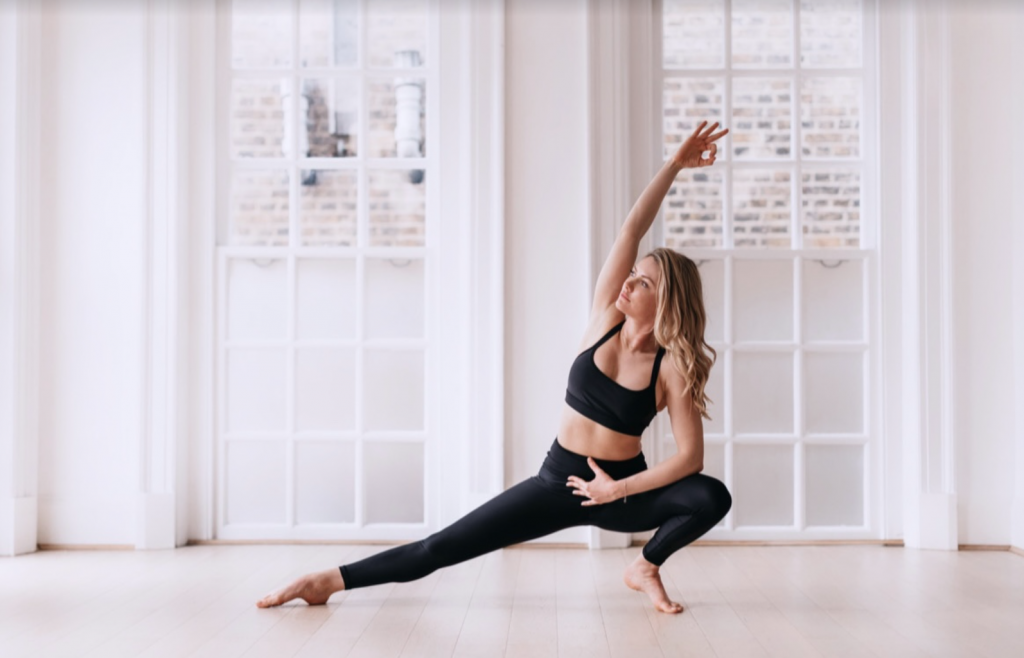
It is common for Yoga and Pilates to get grouped into the same category – especially among those who aren’t familiar with them both or to those starting out! Although both of them have a number of similarities and share some key health benefits such as increased strength and flexibility – they are both unique and differing practices that possess a number of different benefits. When doing yoga, it is common to typically adopt a position and hold it, or flow from position to position. However, in Pilates typically the doer adopts a position and will then focus on challenging the core through a variety of arm and leg movements. In this informative article, we will help define the differences between yoga and pilates so you can decide which is best suited to you, your goals and your individual journey! The Origin of Yoga Yoga is referred to and often seen just as a form of physical exercise – when it in fact is a truly multifaceted practice, which over its rich past has become intertwined with philosophy, religion and spirituality. It can also be considered a meditative activity. The meaning of the word yoga is derived from the Sanskrit root ‘yuj’, meaning ‘to yoke’ or ‘or to unite’, and essentially aiming to create a union between body, mind and spirit. It also aims to create a union between the individual self and universal consciousness. Although its origins trace back to northern India over 5,000 years ago – its exact origin cannot be traced and there is much debate about when exactly it started. According to legend, the first Yogi was Shiva, who many thousands of years ago reached enlightenment in a place called Mount Kailash. The legend goes that he had seven disciples, who became known as the seven rishis – these are long considered the founders of most spiritual traditions in the world. Like many legends, Shiva’s presence can not be proved true, but equally cannot be proved untrue! The Types Of Yoga As Yoga has evolved throughout time, there are many different types of yoga designed at different flows, paces and for differing benefits depending on what your goal, difficulty level and the style you enjoy are. Let’s break down the 8 main types: 1. Vinyasa (Flow) Yoga Vinyasa is a style of yoga characterised by stringing postures together from one move to the next in a seamless manner using breathwork. The word Vinyasa in Sanskrit literally means ‘to place in a special way’. These classes offer a variety of postures and each class is different unlike fixed form Yoga styles such as Bikram and Ashtanga. 2. Yin Yoga Yin Yoga is a much slower paced style of Yoga, focusing on a series of long-held passive floor poses that focus on the lower part of the body. Poses are held up to 5 minutes and sometimes even longer, encouraging stillness. 3. Hatha Yoga Hatha Yoga is a style of Yoga that comes to mind when Yoga is thought of in general terms. ‘Hatha’ means force in Sanskrit, and this style typically consists of set physical postures and breathing techniques. It is slower in pace and has more static posture holds than Vinyasa. 4. Kundalini Yoga Kundalini yoga is a more vocal form of yoga that involves singing, chanting, breathing exercises and a series of repetitive poses. The purpose of it is to activate ‘shakti’ or Kundalini energy – a form of spiritual energy that is located at the spine. 5. Hot Yoga Hot yoga is what it says on the tin – yoga done in a hot environment! Practitioners perform up to 26 asanas and two Pranayama breathing exercises – in a room set to a temperature of 104 degrees as a minimum! As the heat is turned up, this type of yoga has the ability to work out your heart, lungs and muscles at a higher level of intensity. 6. Ashtanga Yoga This style of yoga follows a specific sequence of postures that is similar to Vinyasa in the sense that each pose flows to the next. However, this is a more rigorous flow and each pose in Ashtanga is performed in the exact same poses in the exact same order each practice. 7. Restorative Restorative Yoga is a restful style of yoga that aids relaxation and is heavily centred around slowing down and opening up the body through passive stretching. 8. Power Yoga Power Yoga is sometimes confused with Vinyasa Flow, as the movements found in Power Yoga are also fluid and smooth. However this style of yoga is typically more athletic and leans towards strength building. This style is commonly practised within gyms and is a great way to tone and core strength further. Benefits of Yoga Some of the commonly known physical benefits of Yoga include improved flexibility, increased muscle strength and improved posture. However it can also help lower blood sugar and pressure, lower high cholesterol levels (lowering the bad cholesterol levels you don’t want), drain your lymphs and boost immunity! Although in western society the focus is put on it being a form of exercise – it is just as much a mental and spiritual practice. One of the huge mental benefits of practising Yoga is how it can reduce stress levels. As the concentrated breathing part of yoga allows more oxygen to flow through the brain, this increases your ability to stay calm. Also, the physical benefits that yoga possesses are brilliant at helping to increase optimism as the increased circulation and lowered stress can enhance the body’s hormone functions – which can help aid better mood and a more positive outlook on life. Yoga is an incredible tool in allowing us to develop our spiritual health and inner awareness, as the pace and manner of it encourages us to slow down, listen to our bodies and to truly live in the present moment and
The ultimate guide to sleep

While many of us aim to get the golden 8 hours of sleep a night, it often doesn’t happen. Stressful working days, not being able to switch off, too much blue light or caffeine intake can often be amongst the many factors that contribute to this we face in our hectic ‘always on’ lives. In fact, on average, three-quarters of people in the UK get less than 8 hours of sleep a night. While it can be tempting to rely on caffeine or sugar to give us the much-needed boost to get through the days, every major organ in the body and brain process is optimally enhanced by sleep and detrimentally impaired when we don’t get enough. In fact, the more sleep-deprived you are, the more the body will tell you that you don’t need to sleep – this is a survival mechanism which also slows down your reaction time. Nothing can compensate for the wonders sleep does for us both physically and mentally! Getting a good night’s sleep is not always going to be something that happens overnight (quite literally!), and requires you to take a holistic approach, as so many lifestyle factors can play a part in affecting your sleep amount and quality. In this blog, we will talk through the key components that can help aid a better snooze, focusing on actionable advice that is easy for you to implement into your routine. Are you sleeping enough? Typically, we will notice when we didn’t sleep enough or when we didn’t sleep well, but it can be helpful to check in with yourself. Here are a few questions to ask yourself: Do you feel like taking a nap after waking up at your usual time? (and you’ve only been awake for 4 hours or less) Can you function without coffee for another 4 hours after you woke up? What causes us to feel sleepy? Our sleepiness is generated by adenosine, one of the most powerful molecules that occurs naturally in our bodies. This is generated after we run out of easily digestible sugars from the food we consume. This substance gives us the sleep pressure sensation while melatonin manages the process. Typically, darkness prompts the pineal glands to start producing melatonin, while light causes the production to stop. Melatonin helps regulate our circadian rhythm (our biologically set internal rhythm), by synchronizing our sleep cycle with night and day. This is what facilitates a transition to sleep, promoting the consistent and quality rest that we need. Understanding the basics of sleep You may have heard of REM sleep, which stands for rapid eye movement. There are two types of sleep that we cycle between every 90 minutes on a normal night’s sleep – Non-REM and REM sleep. Non-REM happens first and includes three different stages. The last two stages of non-REM are where we typically sleep deeply and it is harder to wake. In REM sleep, the muscles are paralysed by preventing the body to act, but the eyes will be moving rapidly back and forth. This stage happens after the Non-REM stage and typically happens 90 minutes after sleep. During REM our brain processes information we received during the day, cleans the less important and makes space for the new while storing the important details. This process is vital for calming down our nervous system. During REM we experience a different way of thinking which is manifested through dreams. We can reach information and find motivation for creativity and new ideas as we wake, enabling us to see the world through different eyes. Both of these stages are just as important as each other when it comes to getting a quality night of sleep! Before falling asleep Before we fall asleep, it is paramount to set ourselves up for success to have an optimal night’s sleep. These are things that work best when practised regularly, allowing you to build a consistent bedtime routine that leaves you feeling relaxed and more prepped for sleep. Here are some actionable healthy tips that can help aid a better rest: 1) Limit screen time or blue light in the evenings We talked earlier about melatonin and its key role in aiding restful sleep. We are exposed to blue night naturally (by the sun), but largely as well from technology that the majority of us use every day. Phones, laptops, TVs, iPads, Kindles and even indoor lighting all emit blue light! Blue light actually suppresses the body’s release of melatonin – which although can be helpful during the day, can make getting off to sleep at night harder. Being heavily exposed to blue light in the evening, especially if you’ve been staring at bright screens can trick our brain into thinking it’s still daytime, disrupting the circadian rhythm and leaving us to feel alert instead of sleepy and relaxed! We recommend limiting exposure to electronic devices as much as you can before going to bed and switching off all lights to have a completely dark room. If you can, waking up to natural light is recommended. While controlling the blue light, using apps such as Health on iPhone or sleeping tracking apps to monitor your sleep may help you understand your sleeping patterns and encourage you to improve them. 2) Watch your alcohol consumption It can be tempting to reach for a few glasses of wine bed, and although it can temporarily make us feel sleepy with a sedative effect, it can disrupt the sleep cycle. While it may aid in getting off to sleep, it typically decreases the overall sleep quality, as it suppresses the first two cycles during REM sleep, which can end up resulting in shorter sleep durations and more sleep disruptions throughout the night. Instead, we recommend reaching for a soothing herbal tea, such as camomile tea which is long known for its calming effects that can help
What equipment do I need for yoga?
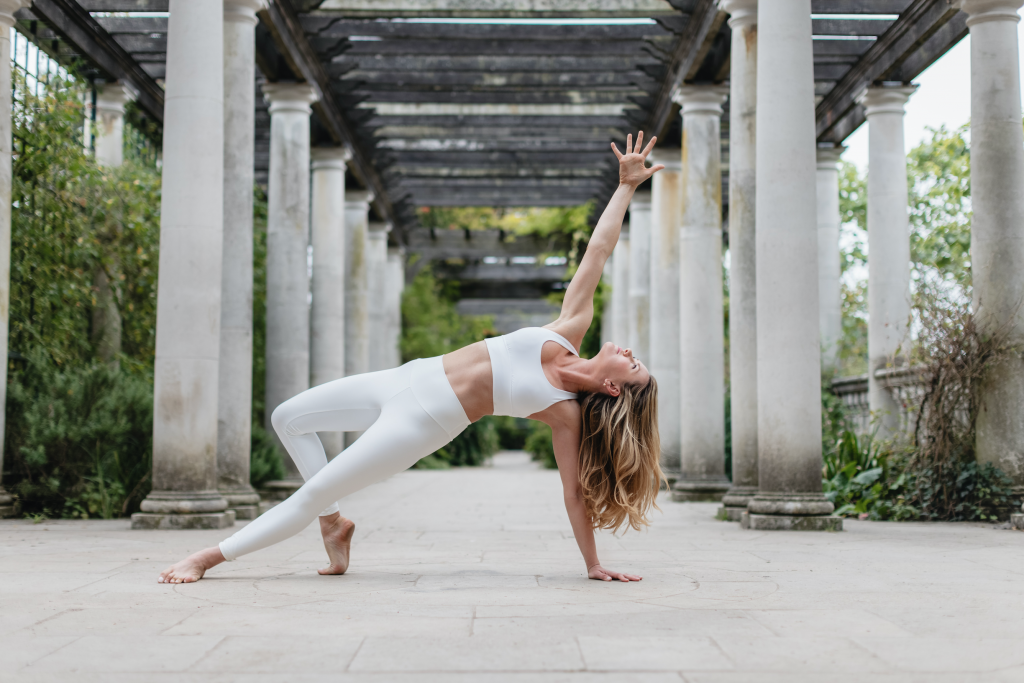
First time practising yoga? Wondering what is needed for your first class or home session? In this article, we break down what is essential for you to practice yoga for the first time, as well as the optional non-essential tools that may benefit you on your yoga journey depending on your needs! Which equipment is absolutely essential? The beauty of practising Yoga is that the only real component needed is just one thing that every single one of us has – the body! It is easy to be fooled by social media and the often carefully curated image of Yogis wearing expensive yoga gear or using a multitude of props such as chairs, blankets or bolsters. But in all honesty, the only essential equipment you really need (besides yourself!) – is a yoga mat! All the other tools we will run through are simply optional extras that may help aid your practice as you embark on your yoga journey, which we will break down the benefits of using as well as any alternatives you may already own. Yoga Mat A yoga mat is a mat designed specifically to give you grip and stability while practising your flows and poses and sequences. They typically are between 0.4 and 0.6mm thick, meaning they are substantially thinner than exercise mats. Although it can be tempting to substitute with a foam exercise mat, we wouldn’t recommend one as they are a poor substitute and not designed for yoga and its intricacies. Many of the injuries that happen while practising yoga are from slips and falls, and as we produce more sweat throughout our session, this risk increases further. Yoga mats are designed with the primary focus of keeping you safe throughout your practice, by reducing slippage and providing a sturdy surface that is typically textured and designed for grip. A good yoga mat typically gives you something to stand and balance on that is designed to stay in place and limit movement, whereas an exercise mat will not be able to provide this kind of support. For those starting their yoga journey and figuring out if it is for them or not – don’t sweat it as the majority of classes provide you with a matt to use or even hire! The other key reason why practising with a yoga mat is so important, is the cushioning it can provide to the joints! Many poses require leaning on joints that can become uncomfortable and sore if not cushioned properly. Although it is good to have a certain level of hardness when practising, a decent yoga mat should provide comfort to your joints while still allowing you the grip and stability of a hard surface. In terms of our recommendations, we would suggest investing in a quality matt where possible, especially if you practice every day as some cheaper yoga mats can leave you end up compromising on that all-important cushioning and support, and are quicker to wear out! Non-essential yoga equipment Comfortable workout gear When we do Yoga, it teaches us to loosen our grip and attachment to material things. Prioritise wearing something that you feel comfortable in, allows you to move in and most importantly – that you feel good in! Yoga is such a mood-boosting activity, so wearing something you feel confident in that allows you to focus on the poses and experience is key! Of course there is a huge range of yoga wear, such as leggings and tops designed specifically for yoga on the market, however, this is not something we would recommend investing in, especially as a first-timer! Aim for flexible, breathable clothing – if you already have gym gear this will work fine. Grab a pair of stretchy, breathable leggings and any close-fitting top. Although typically yoga is practised in leggings, but if you prefer shorts these will be fine but aim for a longer, comfortable pair. Essentially anything that is easy to move in and sweat-wicking is ideal due to the amount you can sweat doing yoga. Avoid super loose tops as these can hang over your head when your hit those upside-down poses! Although form-fitting clothing is most suitable for Yoga, if you would feel happier wearing a looser top, ensure to tuck into the waist of your bottoms. Sports/Yoga Bra For women, ensuring you have a comfortable and supportive sports bra is recommended if you need that extra support, especially if you are into faster flowing yoga styles like Power Yoga, Vinyasa or Rocket Yoga (learn more about these in our article here). However for those who prefer going bra-free, practising slow and gentle styles will be fine as long as you don’t feel any pain or discomfort. Yoga Blocks What is a yoga block used for? Essentially, this is a tool that allows you to do yoga in a safer way that allows you to get into poses or stretches that you typically may not be able to reach without. Again, this item is most definitely not essential but is an additional extra that can help aid you as you explore yoga. The variety of poses that twist, bend and fold your body in different ways can be challenging – especially for newcomers! Yoga blocks are a great aid for doing difficult postures. Although they can have an unfair or outdated reputation in Yoga as ‘cheating’ – a block shouldn’t be seen as that, and instead, as a tool to help improve your practice. Blocks are particularly helpful in making Yoga more accessible for beginners, or to those who are experiencing or prone to injury or other physical limitations. The block is commonly used as an extension of the arms to help you reach those trickier poses that may not be able to get into yet. They can be used to support the back, head and hips to help the body settle into a
Spirituality

What is spirituality for you? Spirituality is a broad concept, that essentially is the concept of belief in something beyond the self and physical realm. We all hold unique belief systems and perceive the material and spiritual world around us differently. For some, this may be involving religious traditions focusing on the belief in a higher power, but can also be a more holistic approach where the individual focuses on connection to others and the planet as a whole. Many spiritual traditions have a long history of using contemplative practices to increase compassion, and empathy and aid a deeper connection to self and an appreciation for the world around us. What is your spiritual practice? Whether you practice spirituality through meditation, yoga, prayer, rituals, reading of sacred texts or journaling, your spirituality is personal and unique to you and it is your right to practice it how you feel best. Together, we will explore the most meaningful way to reach and connect with your own spiritual practice. Click here to book your complimentary 20 minute health and wellness session with me.
Cravings and emotional eating
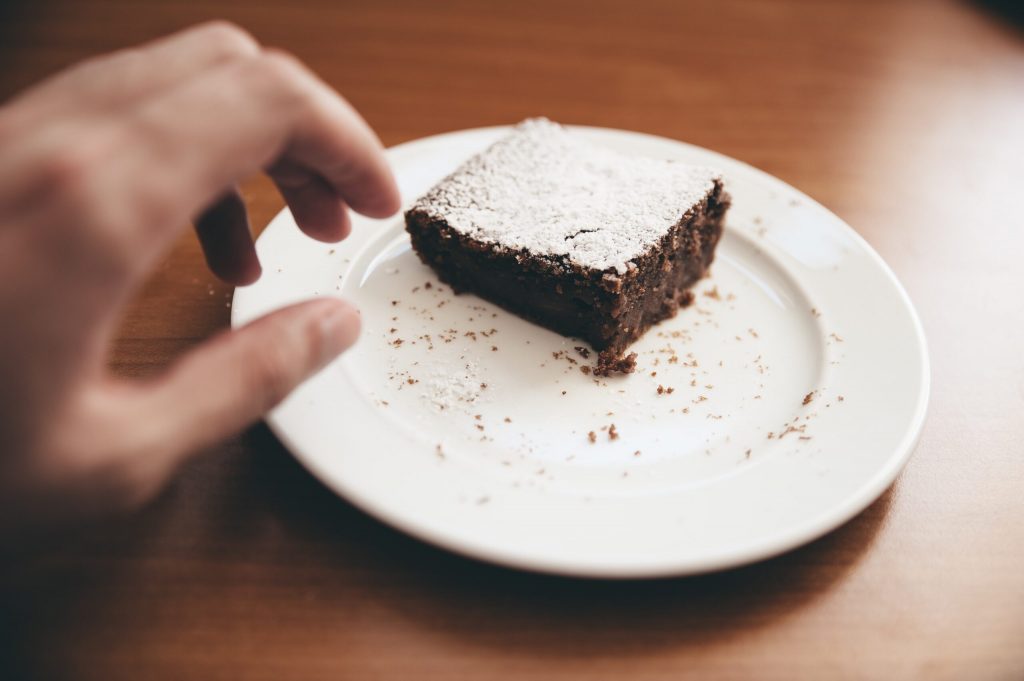
Behind the physiological reasons for our food cravings, they are often related to our emotions and desires. Food cravings can help us satisfy our emotional needs in times of stress, and although can make us feel good in the short term, can lead to us feeling sluggish or worse off long term. We all crave different things depending on our unique biology, but it is common for us to crave foods high in sugar, salt or heavily processed foods. Research has shown that typically men tend to crave savoury foods, whereas women have more of a tendency to crave higher fat, sweet foods. Craving and emotional eating is highly related to the way we think, and creates the link between our thoughts and external factors. Through my health coaching services, we will take a deep look into your thoughts, beliefs and behaviours surrounding emotional eating and cravings, unpicking the causes and getting to the root of these habits. Together, through my evaluative assessments and deep listening techniques, I will help you develop and implement healthier habits. Through my health coaching sessions, you will develop a positive mindset toward eating that will allow you to reframe your thoughts around cravings. Click here to book in your first complimentary health session with me.